
الصانع
عودة Paweł Stopnicki
Dwadzieścia lat ciszy. Jeden but, zrobiony jak należy.
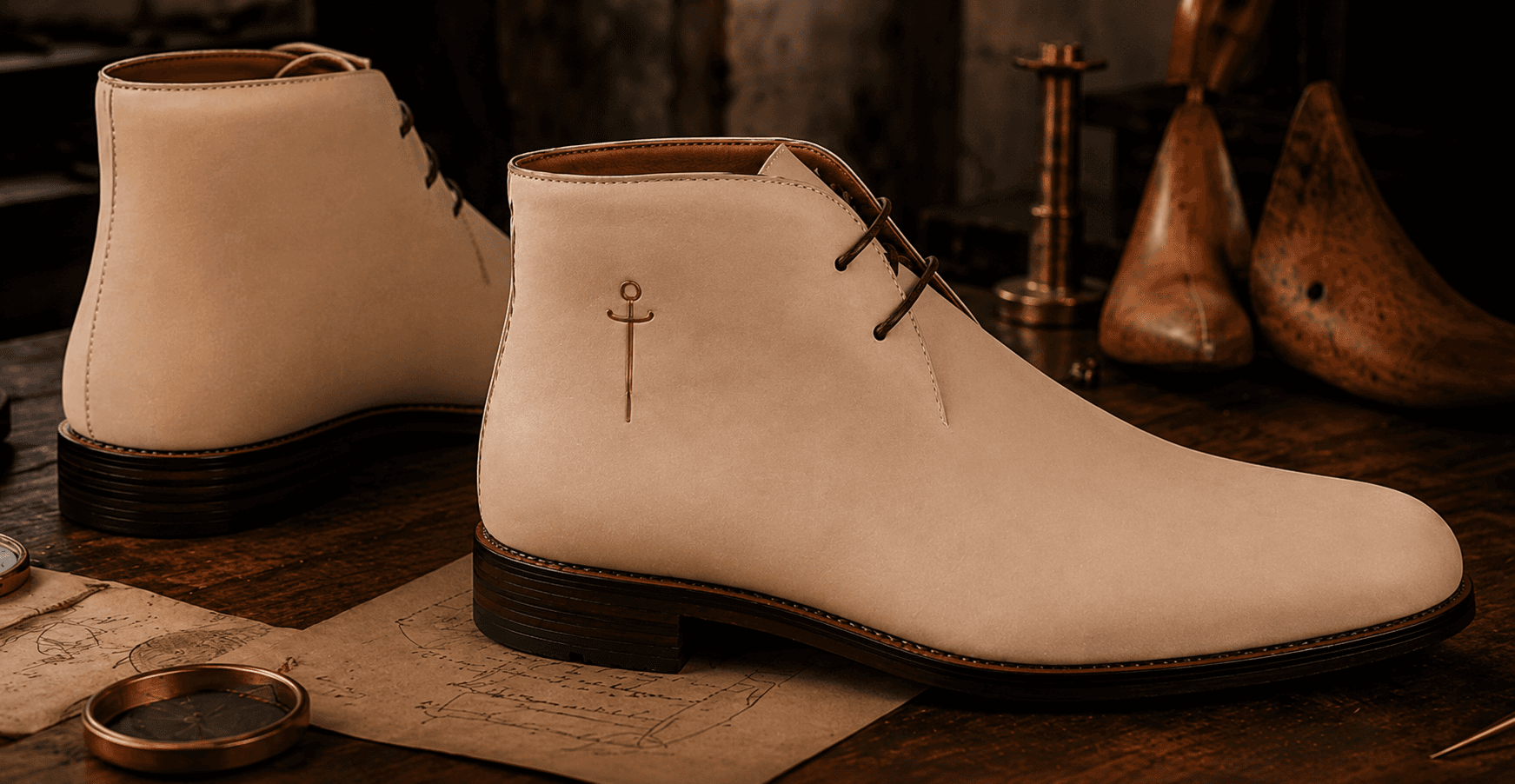
ظلَّت طاولة العمل صامتة قرابة عشرين عامًا. حُفظت العدد، ودُهنت، ووُضعت جانبًا. لم يكن هناك وداع ولا إعلان — مجرد توقّفٍ طويل. وSTOPNICKI هو ما يأتي بعد ذلك التوقف: صانع أحذية بارع يعود ليصنع شيئًا واحدًا، بحصرٍ وإتقان.
كان القرار صغيرًا عن قصد. لا مشغل بطُرز كثيرة، ولا إحياء لكتالوج قديم — حذاء واحد. حذاء تشاكا رجالي، يُصنع حسب الطلب، مُرقَّم بدءًا من أول زوج يحمل توقيع STOPNICKI. وكل ما لا يكون ذلك الحذاء فقد نُحِّي جانبًا.
“عدتُ من أجل حذاء واحد. وإن كان صائبًا، فهو يكفي.”
Stopnica
يأتي الاسم من Stopnica، بلدة في Małopolska — بلدة ملكية من العصور الوسطى مُنحت ميثاقها على يد Kazimierz Wielki عام 1362. وليس هذا تنميقًا، بل طريقة للقول إن للحرفة جذورًا في مكان بولندي عريق ومحدَّد، وإن العمل يُسائل ذلك النسب.
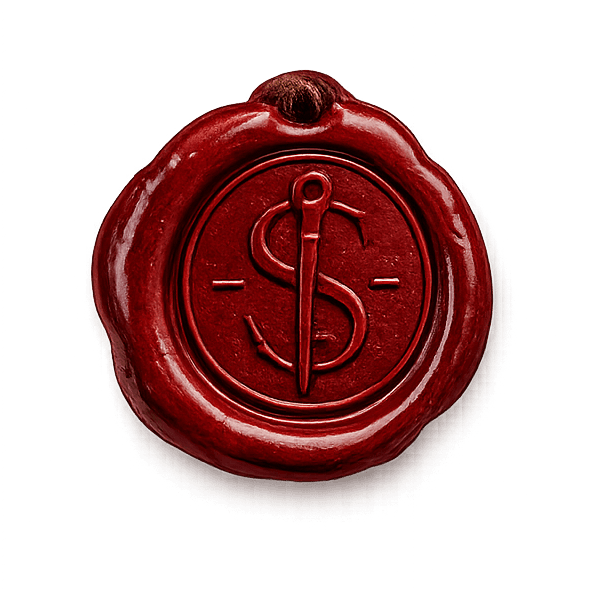
The mark you’ll see everywhere — an awl drawn through the letter S — is Paweł Stopnicki’s seal. Every chest that leaves the workshop carries a drop of it in wax. It’s a little like a handshake at parting — short, firm, no wasted words. With it Paweł says just one thing: done, checked, you’re good to go. And you’ll be the first to break the wax — from that moment the boot is yours, and the road belongs to the two of you.
Where we come from
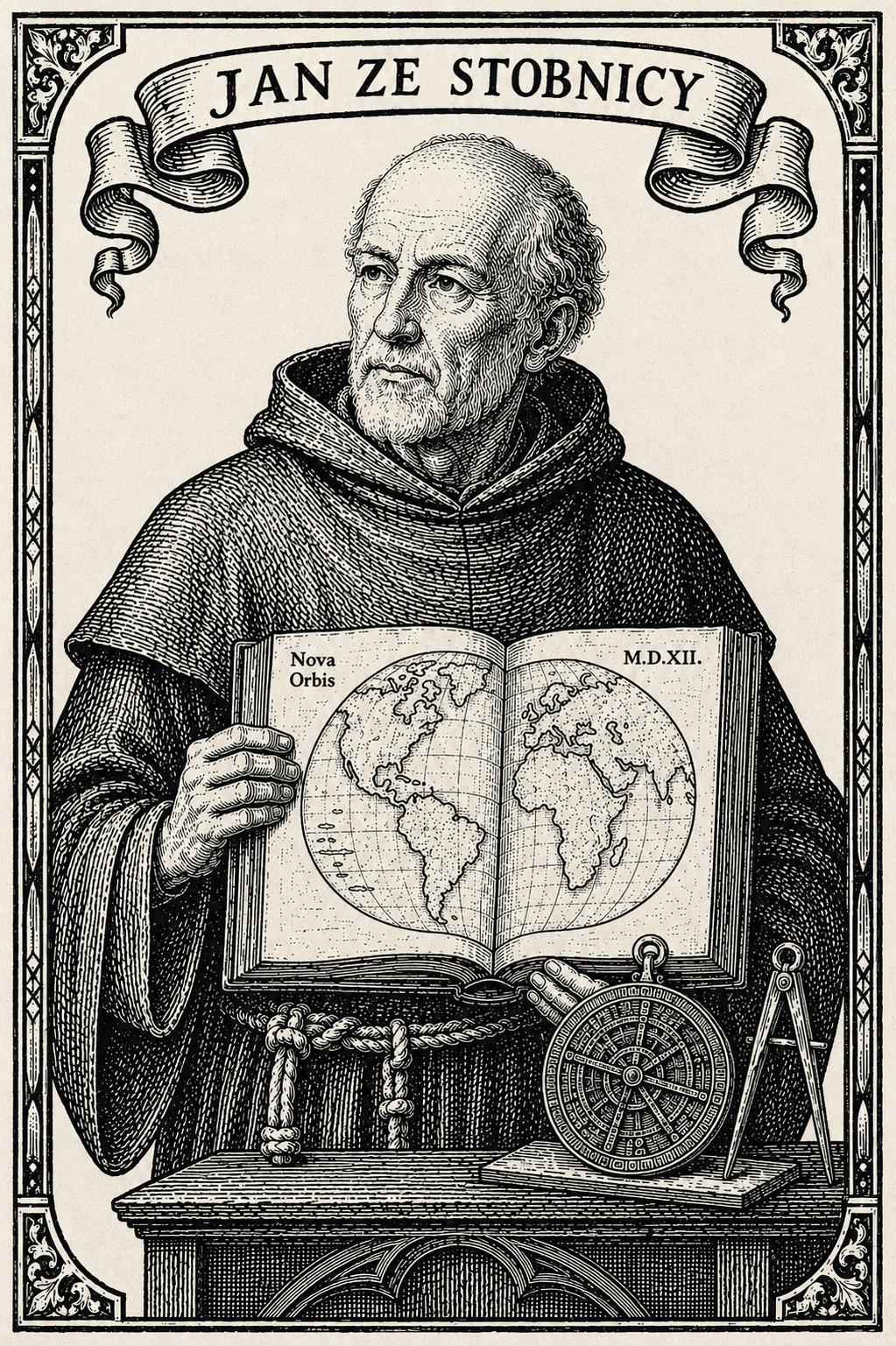
From Stopnica, half a millennium earlier, Poland first glimpsed the New World. In 1512 the first book of maps published in Poland appeared — and with it the country’s first account of the American continent. Its author signed himself “Jan ze Stobnicy” — an old form of the name Stopnica.
This is not a flourish. It means that in Stopnica, even then, discovering the world was a craft as patient as stitching. Before anyone in Poland had drawn America, its bearing was set from here.
From here the road from Poland to the New World was charted. Here we make boots for every road…
THE LAST CHUKKA No. 001 AD ORBEM NOVUM
العودة · STOPNICKI